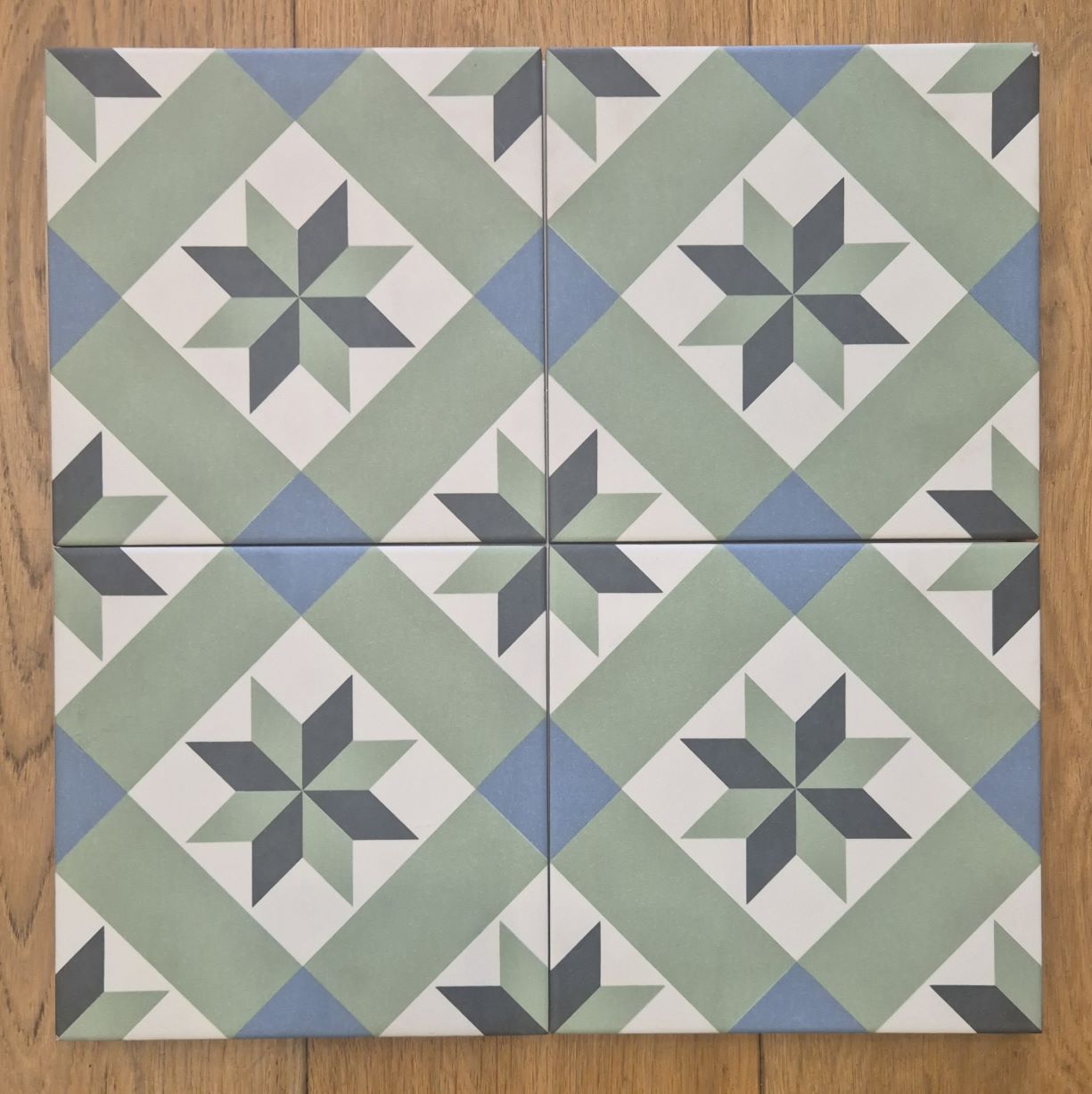
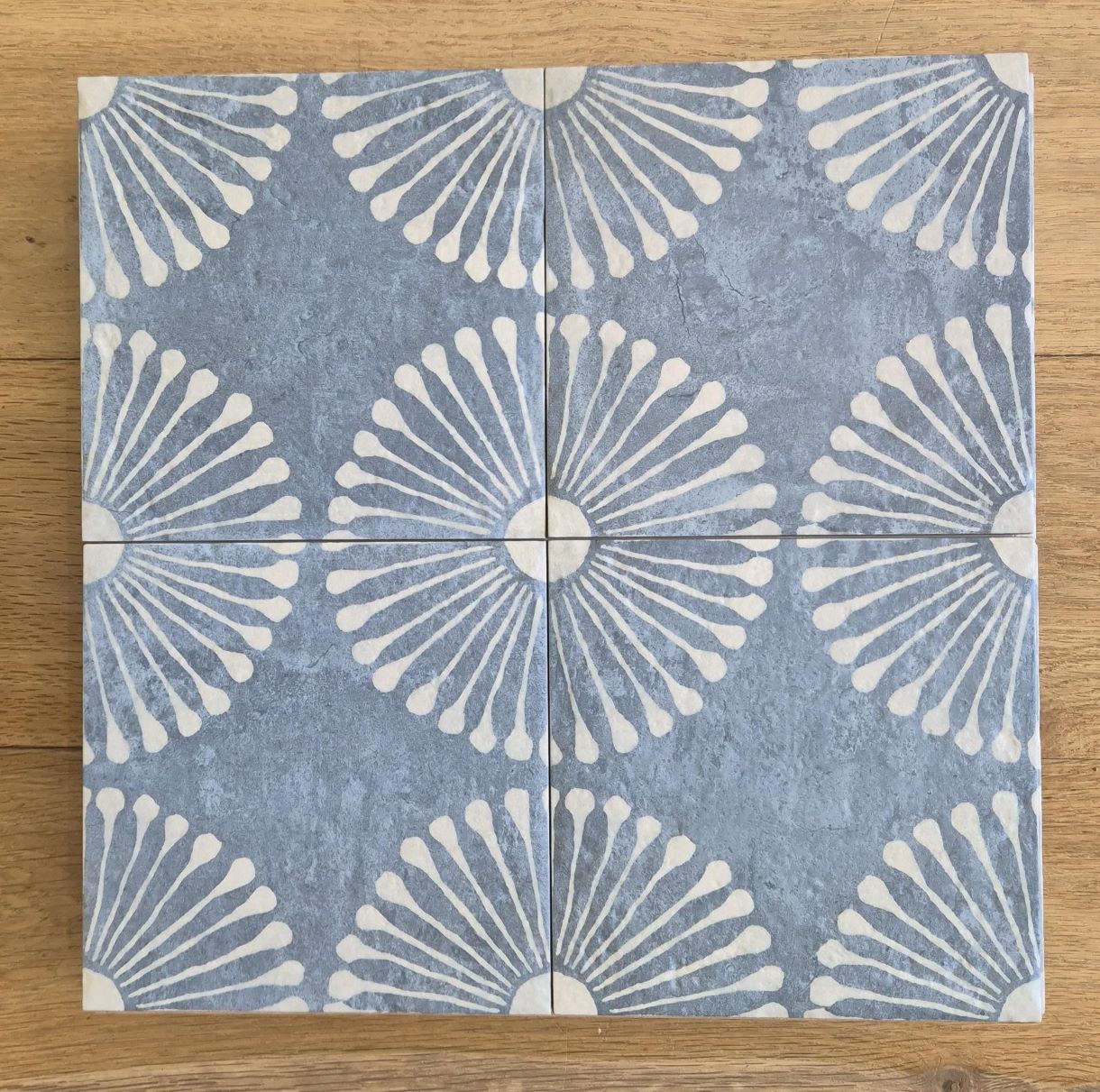
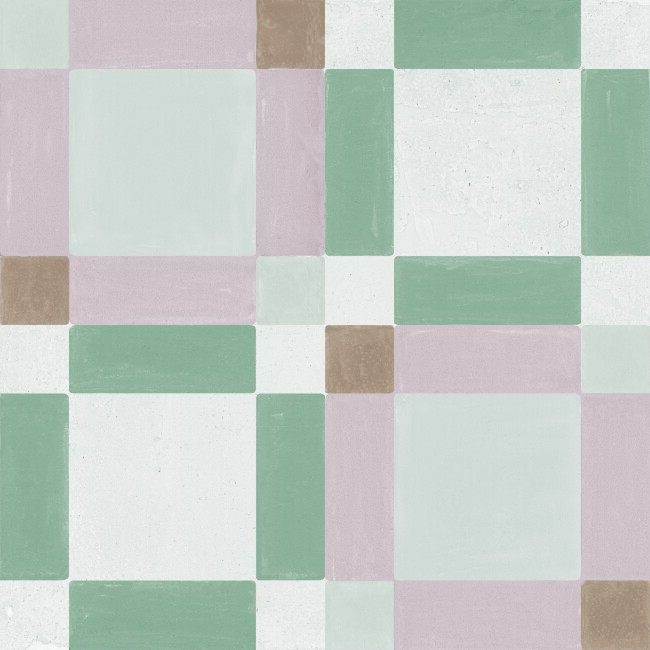
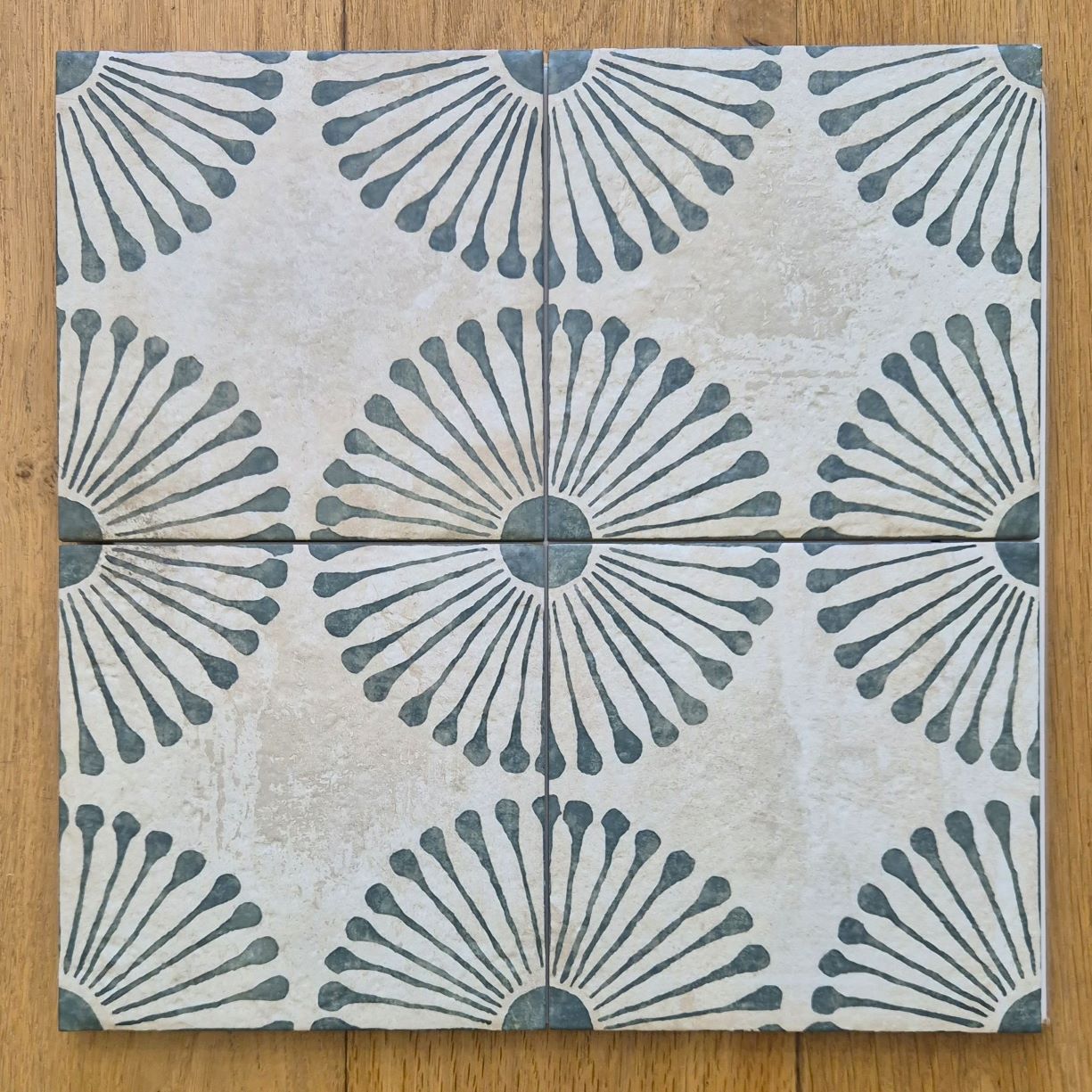
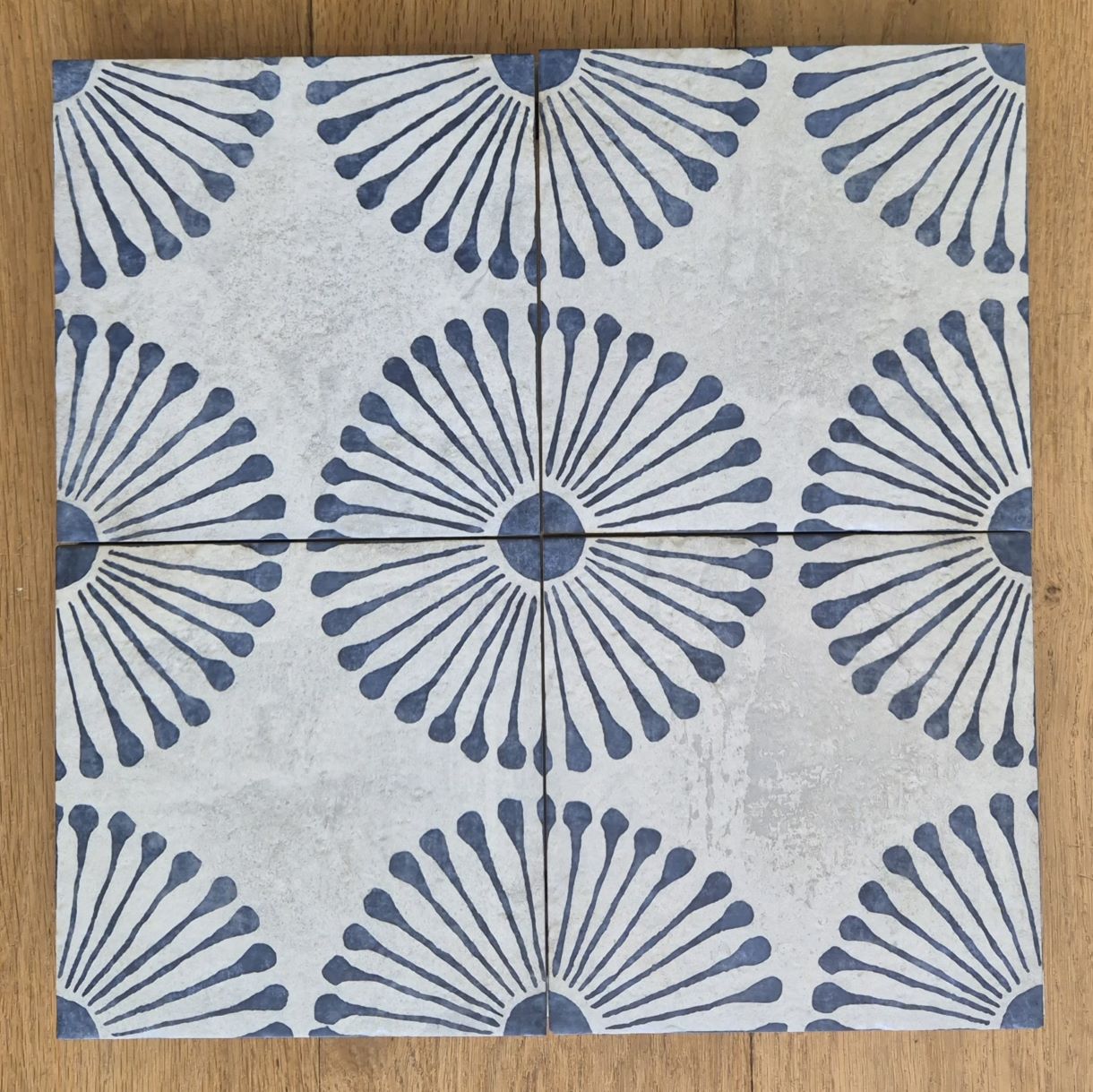
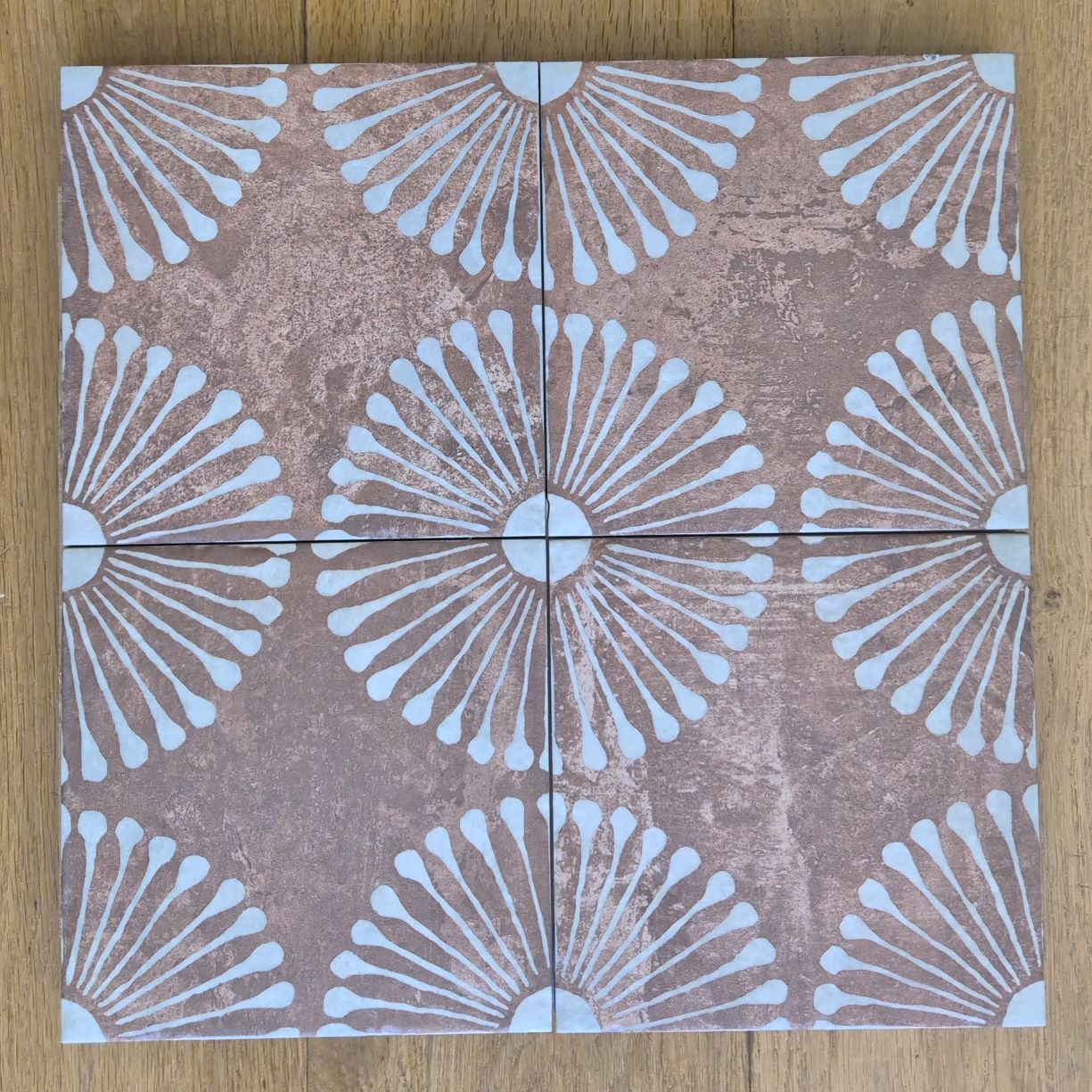
The short answer: traditional encaustic tiles are made from pigmented cement. They look beautiful and age with a soft patina, but they are porous, need sealing and resealing, and can stain or etch. Encaustic look tiles are fired porcelain or ceramic with the pattern in the glaze. They give the same patterned look with no sealing, better stain resistance and consistent sizing, which is why most Sydney bathrooms and kitchens now use them.
What is a traditional encaustic tile?
A traditional encaustic (cement) tile is made by pouring coloured cement into a metal pattern mould, backing it with a layer of plain cement and pressing it hard. The tile is then left to cure rather than fired in a kiln. The pattern is part of the cement itself, typically a few millimetres deep, so it wears gradually rather than rubbing off.
Because cement is porous, encaustic tiles are normally sealed before grouting (so grout does not stain the face) and resealed regularly over their life. Acidic spills such as lemon juice, wine or vinegar, and acidic cleaners, can etch or mark the surface. Many people love the soft, lived-in patina they develop over time.
What is an encaustic look tile?
An encaustic look tile recreates the same patterned designs in fired porcelain or ceramic. The pattern is printed into the glaze and fired at high temperature, so the surface is sealed by the firing itself. Our encaustic look tiles are made in Spain, where many of these pattern designs originated, and come in matt finishes that read much like real cement.
- Porcelain is dense with very low water absorption, hard wearing and suited to floors, including many covered outdoor areas.
- Glazed ceramic is lighter and suits walls and most indoor home floors.
Encaustic vs encaustic look: side by side
| Traditional encaustic (cement) | Encaustic look (porcelain / ceramic) | |
|---|---|---|
| Made from | Pigmented cement, pressed and cured | Clay body, glazed and kiln fired |
| Sealing | Sealed before grouting and resealed over time | No sealing required |
| Staining | Porous; oils, wine and grout can mark an unsealed face | Glazed surface resists staining |
| Acidic spills and cleaners | Can etch the surface | Unaffected by normal household cleaning |
| Sizing and pattern alignment | Handmade; small variations from tile to tile | Consistent sizing, so patterns line up cleanly |
| Slip rating | Depends on finish and sealer | Most of our porcelain pattern floor tiles are rated R10 |
| Look over time | Develops a soft, worn patina | Stays as new; aged-look designs are available |
| Weight and laying | Thick and heavy; best laid by a tiler experienced with cement tiles | Thinner and lighter; laid like any standard tile |
Which should you choose?
Choose traditional encaustic cement tiles if
- You are restoring a heritage home and want original materials
- You love the patina that cement develops and are happy to keep up sealing
- The area has light foot traffic and little exposure to oils or acidic spills
Choose encaustic look porcelain or ceramic tiles if
- You want the look for a bathroom, ensuite, laundry or kitchen floor
- You do not want to seal or reseal your floor
- You want consistent sizing and clean pattern alignment across the room
- You need a slip rated tile (R10) for a floor, or a tile for a covered outdoor area
We stock over 150 different pattern tile designs from Spain, including a large range of encaustic look porcelain, with Spanish pattern tiles starting from $88 per square metre. See the full range on our encaustic look tiles page or browse every design in our pattern tile gallery.